

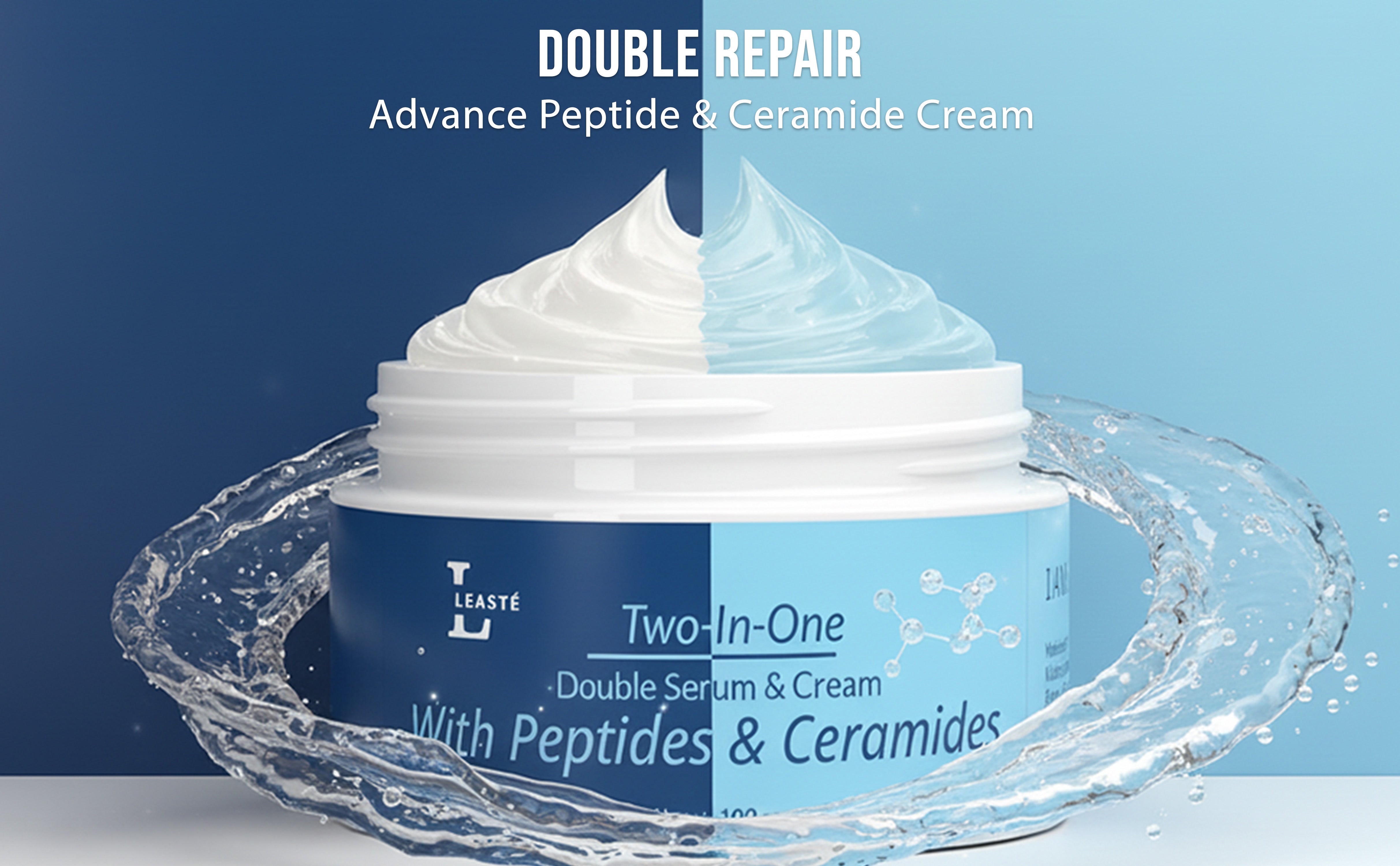
If you've ever woken up with tight, flaky, or uncomfortable skin you know the struggle. Dry skin isn't just a minor annoyance. It can affect your confidence, your makeup application, and even your skin's long-term health.
The good news? Finding the right moisturizer can completely transform your skin and your life. But with thousands of options on the market, how do you know which one actually works?
In this guide, we break down everything you need to know about moisturizers for dry skin: what ingredients to look for, what to avoid, and our top product recommendations at every price point.
Dry Skin vs. Dehydrated Skin - What's the Difference?
Before you shop, it's important to understand what type of dryness you're dealing with , because the treatment is different.
Dry skin is a skin type. It means your skin naturally produces less oil (sebum) than normal or oily skin. It's usually genetic and requires long-term moisturizing care.
Dehydrated skin is a skin condition. It means your skin lacks water not oil. Even oily skin can become dehydrated. Signs include dullness, fine lines that appear when you smile, and skin that feels tight after cleansing.
Quick test: Gently pinch a small section of your cheek. If it takes a moment to bounce back, your skin is likely dehydrated. If it feels rough or flaky regardless, you likely have dry skin.
The best moisturizers for dry skin address BOTH they lock in water AND add lipids (fats) to replace the missing oils in your skin barrier.
Key Ingredients to Look for in a Moisturizer for Dry Skin
Not all moisturizers are created equal. The ingredients list is where the magic happens. Here are the powerhouse ingredients that make a real difference for dry skin:
🌊 Hyaluronic Acid A humectant that attracts and holds up to 1,000x its weight in water. It pulls moisture into your skin and keeps it there. Look for it as one of the top ingredients in your moisturizer or use a HA serum underneath.
🧱 Ceramides Your skin barrier is made up largely of ceramides lipid molecules that hold skin cells together. When ceramide levels drop, skin becomes dry and sensitive. Moisturizers with ceramides literally repair and reinforce your skin barrier.
🧈 Glycerin One of the most effective and affordable humectants available. It draws water into the skin and is well-tolerated by almost all skin types, including sensitive skin. If it's in the top 5 ingredients, that's a great sign.
🥥 Shea Butter A rich emollient (skin-softening fat) derived from the shea tree. It seals in moisture and is especially great for very dry or rough patches. Best for nighttime use or very dry skin types.
🌿 Squalane A lightweight plant-derived oil that mimics your skin's natural sebum. It moisturizes without clogging pores and is great for dry skin that's also acne-prone.
❌ What to Avoid: - Alcohol (denat.) strips moisture . Heavy fragrance - irritates dry, sensitive skin .Sulfates in cleansers over-strips the skin barrier
How to Layer Products for Maximum Hydration
Using a great moisturizer is step one but how you apply it matters just as much. Here's the correct order for dry skin:
Step 1 - Gentle Cleanser Use a creamy, non-foaming cleanser. Avoid anything that leaves your skin feeling "squeaky clean" that means it's stripped your natural oils.
Step 2 - Hydrating Toner (optional but powerful) A hydrating toner preps the skin to absorb everything that comes after. Look for ones with glycerin or hyaluronic acid.
Step 3 - Hyaluronic Acid Serum Apply to damp skin (not dry!) for best results. HA needs water to work applying it to dry skin can actually pull moisture out.
Step 4 - Moisturizer Apply within 60 seconds of your serum to seal everything in. Use upward strokes and don't forget your neck.
Step 5 - Face Oil (nighttime only) A few drops of rosehip or squalane oil on top of your moisturizer creates an occlusive seal that prevents moisture loss overnight.
Step 6 - SPF (morning only) Dry skin is more vulnerable to UV damage. Always finish your morning routine with broad-spectrum SPF 30 or higher.
Best Moisturizer Routine for Dry Skin (AM & PM)
Here's a simple, complete routine designed specifically for dry skin:
Pro Tip: Apply your night cream to slightly damp skin after your serum for 2x the hydration absorption.
Lifestyle Tips to Prevent Dry Skin (Beyond Moisturizer)
Your moisturizer can only do so much if your lifestyle is working against it. Here are the most impactful habits for consistently hydrated skin:
💧 Drink Enough Water Aim for 8 glasses (2 liters) per day. Hydration starts from within your skin reflects your body's hydration levels.
🚿 Take Shorter, Cooler Showers Hot water strips your skin's natural oils. Limit showers to 5–10 minutes and use lukewarm water instead.
💨 Use a Humidifier Especially in winter or air-conditioned environments, the air pulls moisture from your skin. A humidifier adds it back. Set it to 40–60% humidity.
🥑 Eat Healthy Fats Omega-3 fatty acids (found in salmon, avocado, walnuts, flaxseed) support your skin's lipid barrier from the inside out.
🧣 Protect Skin from the Elements Wind, cold, and sun all degrade your skin barrier. Wear SPF daily and cover up in harsh weather.
😴 Get Enough Sleep Skin repairs itself at night. Consistently poor sleep leads to a weakened skin barrier and increased dryness.
Frequently Asked Questions About Moisturizers for Dry Skin
Q: How often should I moisturize dry skin? At minimum, twice daily morning and night. If your skin feels tight or dry during the day, reapply as needed, especially on hands and any exposed areas.
Q: Can I use body lotion on my face? It's not recommended. Body lotions are formulated differently and may be too heavy, contain fragrances, or clog facial pores. Always use a product specifically formulated for facial skin.
Q: Should I moisturize even if my skin is oily in some areas? Yes! Combination skin still needs moisture. Use a lighter gel moisturizer on oily zones (like the T-zone) and a richer cream on dry areas (cheeks, around the mouth).
Q: Why does my moisturizer pill off? This happens when products are layered too quickly or when silicone-based products are mixed with water-based products. Allow each layer to absorb for 30–60 seconds before applying the next.
Q: Is expensive moisturizer better? Not necessarily. Some of the most effective moisturizers are drugstore brands. The ingredients matter more than the price. Look for ceramides, hyaluronic acid, and glycerin regardless of brand.
Final Thoughts: The Best Moisturizer is the One You'll Actually Use
Dry skin is manageable and with the right moisturizer and routine, you can achieve genuinely soft, healthy, glowing skin all year round.
The most important thing is consistency. Even the best moisturizer won't work if you only use it occasionally. Make it a daily habit, morning and night, and your skin will thank you within 2–4 weeks.
Start with the basics: a gentle cleanser, a hyaluronic acid serum, and a rich moisturizer with ceramides. Build from there as your skin adjusts.
Ready to find your perfect match? Explore our curated collection of moisturizers formulated specifically for dry and dehydrated skin every product is hand-picked by our skincare experts.
Ready to Find Your Perfect Moisturizer?
Shop our curated collection of moisturizers for dry skin hand-picked by skincare experts, loved by thousands of customers.


